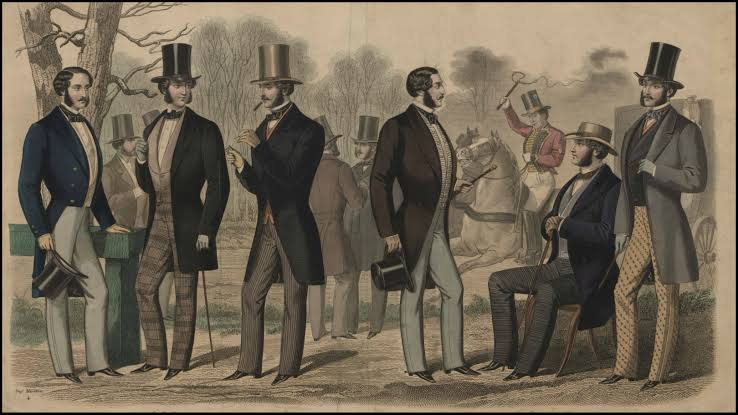
A Journey of Style, Identity, and Culture
Fashion has always been more than just clothing; it is a visual language that communicates identity, culture, and the spirit of an era. Throughout history, fashion has evolved alongside major social, political, economic, and technological changes. Every decade represents a new chapter in this ongoing cultural story, offering us insight into the shifting desires and values of society. From the rebellious energy of the 1920s to the digital revolution of the 2020s, the evolution of fashion design is a journey through time and human expression. As the decades progressed, fashion moved through phases of liberation, restriction, rebellion, elegance, practicality, and digital experimentation. The industry has been shaped by visionary designers like Coco Chanel, Christian Dior, Yves Saint Laurent, and later innovators like Alexander McQueen and Virgil Abloh, who each redefined what clothing can mean and represent. But beyond designers, the evolution of fashion has been influenced by ordinary people—youth movements, workers, musicians, activists, and even online communities—who often set trends long before they reach runways.
In today’s world, fashion design stands at the crossroads of tradition and transformation. Sustainability demands a rethinking of how clothing is made, while technology opens new worlds where fashion can exist beyond physical form. At the same time, identity politics encourages inclusivity, representation, and diversity more than ever before.
Understanding how fashion has evolved through the decades is not just an exploration of clothing trends; it is a study of human history, emotions, struggles, and dreams. Each decade tells a story—of who we were, what we believed, and how we wanted the world to see us. And as we continue to evolve, fashion will undoubtedly evolve with us, reflecting every step of our journey.
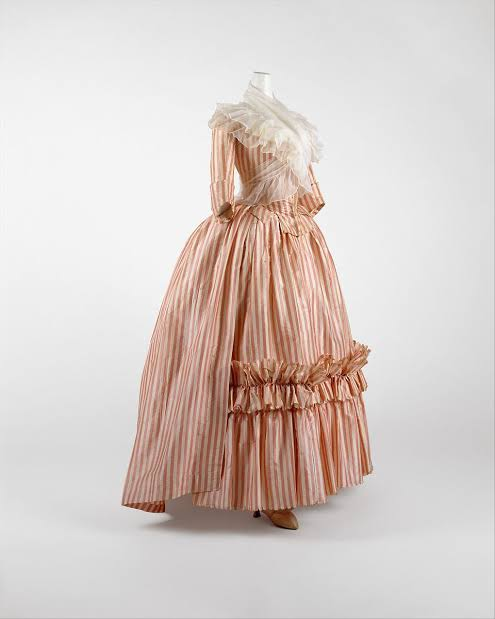
The 1920s – The Birth of Modern Fashion
The 1920s marked the beginning of what we now call modern fashion. After World War I, society experienced a new wave of freedom, liberation, and celebration. Women began embracing shorter hemlines and looser silhouettes that allowed greater comfort and movement. The flapper dress became the symbol of this decade, with its dropped waistlines, lightweight fabrics, and playful embellishments like fringe and sequins. Coco Chanel radically transformed the era by introducing jersey fabric into women’s fashion, promoting effortless elegance and inventing the iconic little black dress. The decade’s style was heavily shaped by cultural shifts such as women's growing independence, the rise of jazz music, and an overall economic boom that encouraged experimentation and joy.
The 1930s – Elegance in a Time of Hardship
The 1930s were defined by the Great Depression, and fashion responded by becoming more practical, thoughtful, and durable. Clothing designs shifted toward long, slim silhouettes that flattered the body without excess material. Designers like Madeleine Vionnet pioneered the bias-cut gown, which draped beautifully while reducing fabric waste. Despite economic challenges, Hollywood offered an escape. The glamorous looks worn by film stars such as Greta Garbo and Katharine Hepburn influenced public taste and brought sophistication into everyday fashion. Even during hardship, style found a way to remain elegant and refined.
The 1940s – Utility Meets Resilience
When World War II began, fabric rationing and strict regulations changed fashion dramatically. Clothing became more functional and streamlined. Women wore knee-length skirts, square shoulders, and simple cuts while muted tones dominated due to limitations in dye production. As more women joined the workforce, trousers became a staple in many wardrobes, symbolizing both practicality and a shift in gender roles. After the war, Christian Dior’s 1947 “New Look” marked a dramatic return to luxury. His design emphasized voluminous skirts, cinched waists, and an ultra-feminine silhouette that celebrated prosperity and optimism after years of restraint.
The 1950s – The Golden Age of Femininity
The 1950s embraced a polished and highly feminine aesthetic that celebrated curves and elegance. Fashion often revolved around full circle skirts paired with narrow waists, pastel colors, and refined tailoring. Designers such as Cristóbal Balenciaga and Hubert de Givenchy gained prominence, shaping a new standard of sophisticated beauty. The influence of Hollywood continued, with icons like Audrey Hepburn and Marilyn Monroe defining what it meant to be glamorous. Men’s fashion gravitated toward clean-cut suits and a sense of suburban neatness that matched the post-war ideals of stability and domestic life.
The 1960s – Youthquake and Experimentation
The 1960s introduced a radical transformation as young people began dictating fashion trends for the first time. This era broke away from the conservative norms of previous decades. Designers like Mary Quant popularized the mini skirt, while go-go boots, bold geometric prints, and vibrant psychedelic colors became trademarks of the time. The Space Age movement inspired futuristic designs by Paco Rabanne and André Courrèges, who used unconventional materials such as metal and plastic to create striking new forms. The spirit of the 1960s was playful, rebellious, and innovative, reflecting the decade’s cultural revolutions.
The 1970s – Freedom, Diversity, and Subcultures
The 1970s were a celebration of individuality and diversity, with fashion movements blossoming from various subcultures. The decade embraced everything from bohemian and hippie influences to the dazzling glamour of disco. Maxi dresses, bell-bottoms, platform shoes, shimmering fabrics, and earthy tones filled wardrobes. Punk fashion emerged as a form of rebellion, introducing leather jackets, ripped clothing, and bold accessories. Designers like Yves Saint Laurent famously challenged gender norms by introducing the tuxedo suit for women, which became a revolutionary statement about empowerment and androgyny. The broad range of styles in this decade reflected a society seeking freedom and personal expression.
The 1980s – Excess, Power, and Consumer Culture
Boldness and excess defined the 1980s. Fashion became larger-than-life, fueled by economic prosperity and emerging global consumer culture. Power suits with enormous shoulder pads symbolized authority and ambition, especially for women entering corporate spaces. Neon colors, spandex, and sporty aesthetics rose alongside the growing fitness trend. Pop culture icons like Madonna, Michael Jackson, and Prince had enormous influence, turning fashion into a theatrical display of personality. Designers such as Gianni Versace and Jean-Paul Gaultier brought high drama, sensuality, and unapologetic extravagance to the runway. The 1980s celebrated confidence and visual impact above all.
The 1990s – Minimalism and Street Culture
In stark contrast to the extravagance of the 1980s, the 1990s embraced simplicity and a stripped-down aesthetic. Clean lines, neutral colors, and minimalist styles became mainstream through the work of designers like Calvin Klein and Helmut Lang. The slip dress emerged as an iconic garment, symbolizing effortless elegance. Alongside minimalism, street culture and grunge slowly took over the fashion world. Oversized flannel shirts, ripped denim, band T-shirts, and combat boots reflected a more rebellious and anti-establishment spirit. Hip-hop culture played a significant role in shaping trends, introducing baggy silhouettes and heavily influencing the rise of sneaker culture.
The 2000s – Globalization, Glamour, and Digital Beginnings
The early 2000s brought an eclectic mix of futuristic aesthetics and celebrity-driven fashion. Low-rise jeans, bedazzled accessories, metallic fabrics, and high-glam looks dominated popular culture. Reality TV stars and musicians became major fashion icons, influencing trends at a global scale. This decade also saw the rapid expansion of fast fashion, with brands like Zara and H&M accelerating trend cycles and making runway styles easily accessible. The internet began transforming how fashion was consumed, setting the stage for digital fashion’s future.
The 2010s – Social Media and Streetwear Domination
The 2010s truly democratized fashion, thanks to the rise of social media platforms like Instagram. Trends no longer flowed strictly from designers to consumers; influencers, bloggers, and everyday users gained the power to shape global fashion. Athleisure became a defining style as comfort blended with luxury. High-end brands began collaborating with streetwear labels, with partnerships like Louis Vuitton and Supreme redefining modern luxury. Minimalism resurfaced with movements like normcore, while sustainability began entering public consciousness as consumers questioned the environmental impact of fast fashion.
The 2020s – Sustainability, Technology, and Identity
The current decade has been shaped by conversations about sustainability, inclusivity, and technological innovation. Consumers now value eco-friendly materials, transparent production processes, and circular fashion systems. Upcycling and ethical design have become central to many brands. Another major shift is the rise of digital fashion, including virtual clothing, 3D modeling, metaverse wearables, and AI-generated designs. Luxury brands have embraced virtual shows and digital avatars, signaling a new era of creativity. Modern fashion also prioritizes inclusivity like never before, embracing diverse sizes, skin tones, gender identities, and adaptive clothing for people with disabilities. This focus on authenticity and representation marks one of the most progressive periods in fashion history.
Conclusion
Fashion has evolved dramatically over the decades, reflecting shifts in culture, technology, politics, and identity. Each era brought its own values: the freedom of the 1920s, the elegance of the 1930s, the resilience of the 1940s, the femininity of the 1950s, the experimentation of the 1960s, the diversity of the 1970s, the boldness of the 1980s, the minimalism of the 1990s, the globalization of the 2000s, the social media influence of the 2010s, and finally the sustainability and digital innovation of the 2020s. Together, these decades show how fashion is both a mirror of society and a driving force behind cultural transformation. As technology and societal awareness continue to evolve, fashion design will continue pushing boundaries, offering a dynamic and ever-changing form of human expression.
M.Z.M.ZAHIN
Intern, Content writing department
Requin BD


Comments (0)
Leave a Comment